2026 Hurricane Season Checklist for Snowbird Homeowners
Atlantic hurricane season runs June 1 through November 30 — which means the exact months most snowbirds are away from their Gulf Coast homes overlap almost entirely with peak storm risk. If you won't be back on Anna Maria Island, Longboat Key, or in Bradenton until October or November, here's what actually needs to happen at your property between now and then.
Why Late Summer and Early Fall Matter Most
Statistically, the Atlantic basin's most active stretch runs from mid-August through mid-October — right in the middle of the window when most seasonal owners are still up north. A property sitting vacant during this stretch is more exposed than one with an owner on-site to notice a leak, secure a loose shutter, or move outdoor furniture before impact.
What Should Be Done to a Vacant Home Before a Storm?
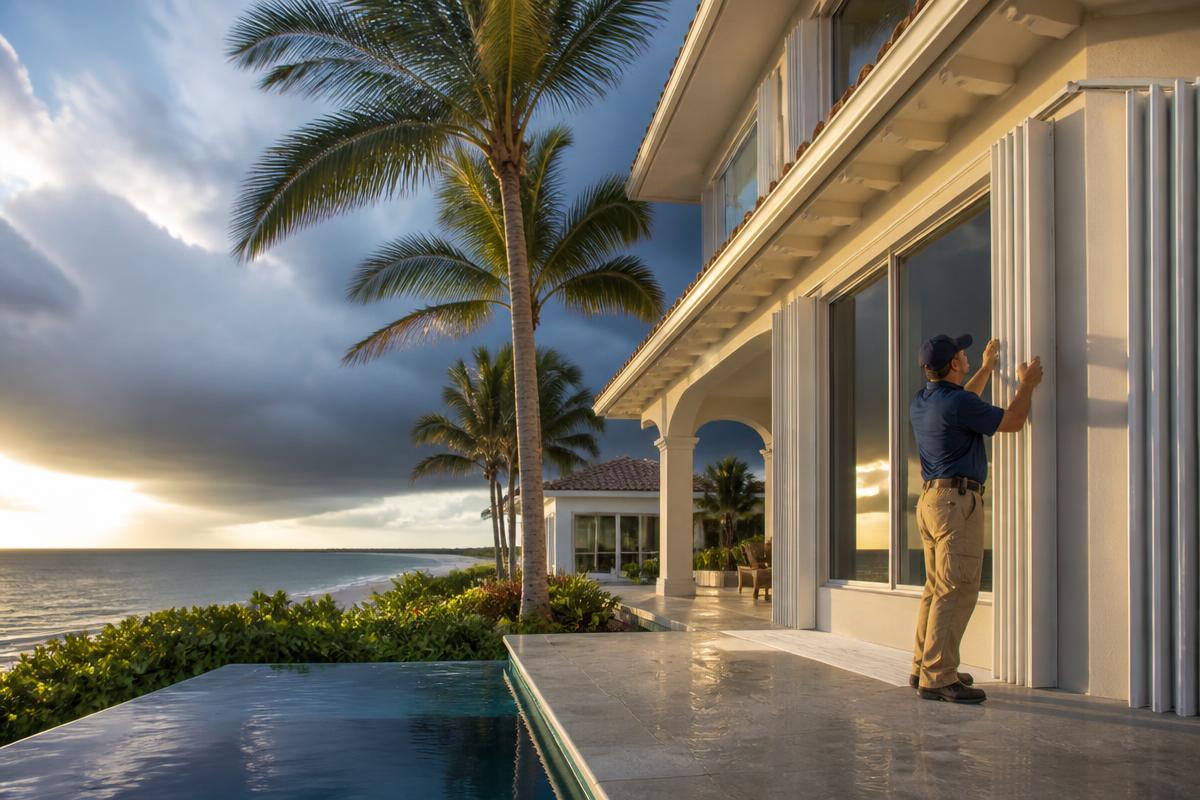
1. Confirm Storm Shutters and Openings Are Storm-Ready. Even if shutters are installed, they need to be checked — not just present. A stuck track or a missing bolt defeats the purpose. This should happen well before a storm is named, not the day before landfall when supplies and contractor availability disappear.
2. Clear Gutters, Drains, and Yard Debris. Clogged gutters and drains during a tropical storm can turn a manageable rain event into interior water damage. Loose yard items — pool furniture, potted plants, decorative fixtures — become projectiles in high wind and should be secured or stored well ahead of any watch.
3. Photograph the Property's Current Condition. Before storm season peaks, a documented baseline (interior and exterior, time-stamped) is invaluable if you ever need to file an insurance claim. "Before" photos make "after" damage claims dramatically easier to substantiate.
4. Check the Pool Cage, Screens, and Lanai. These are among the most commonly damaged features in a Gulf Coast storm and are also among the easiest to overlook from a distance. A loose screen panel identified in August is a quick fix. The same issue discovered after a named storm is often a full re-screen.
5. Test Sump Pumps, Check Elevation of Valuables. For homes with any flood exposure, confirm sump pumps function and consider whether anything of value is stored at ground level that should be relocated higher.
6. Know Who Has Eyes on the Property — And How Often. This is the piece most owners underestimate. A generator and shutters don't help if no one notices the storm actually damaged something for six weeks. Regular home watch visits during hurricane season should increase in frequency as storms approach and include a post-storm assessment as soon as conditions allow safe access.
What Happens During and Immediately After a Storm?
A reputable home watch team should be able to tell you, in advance, exactly what their storm protocol looks like:
- Before landfall: final exterior check, securing loose items, confirming shutters/openings are closed
- During active storm conditions: no visits — safety comes first
- As soon as it's safe: a full damage assessment with photos, sent to the owner directly, plus coordination of any emergency mitigation (tarping, water extraction, board-up) if needed
How Do I Know if My Home Was Damaged if I'm Not There?
This is exactly the gap a home watch service is built to close. Rather than relying on a neighbor's text message or waiting until your return in October or November to discover a problem, a documented post-storm inspection tells you — with photos and a written report — precisely what condition your home is in, days or weeks before you'd otherwise know.
The Bottom Line
Hurricane season doesn't pause because you're not there. The owners who come through storm season with the least stress are the ones with a documented plan, a licensed-contractor-backed team who can act immediately if something goes wrong, and regular eyes on the property the whole time — not just after a storm makes headlines.
Coastal Living Property Solutions is a third-generation Gulf Coast company, fully bonded and insured and backed by a licensed general contractor, serving Anna Maria Island, Longboat Key, Bird Key, and Manatee County year-round — including the entire stretch of hurricane season when most of our clients are still up north.
Call (941) 289-7939 to set up storm-season monitoring before the next system forms, or reach out on our Contact Us page.
Coastal Living Property Solutions
Still up north while hurricane season peaks at home? Coastal Living Property Solutions provides storm-ready home watch visits and documented post-storm assessments across Anna Maria Island, Longboat Key, Bird Key, and Manatee County.
Set Up Storm-Season Monitoring